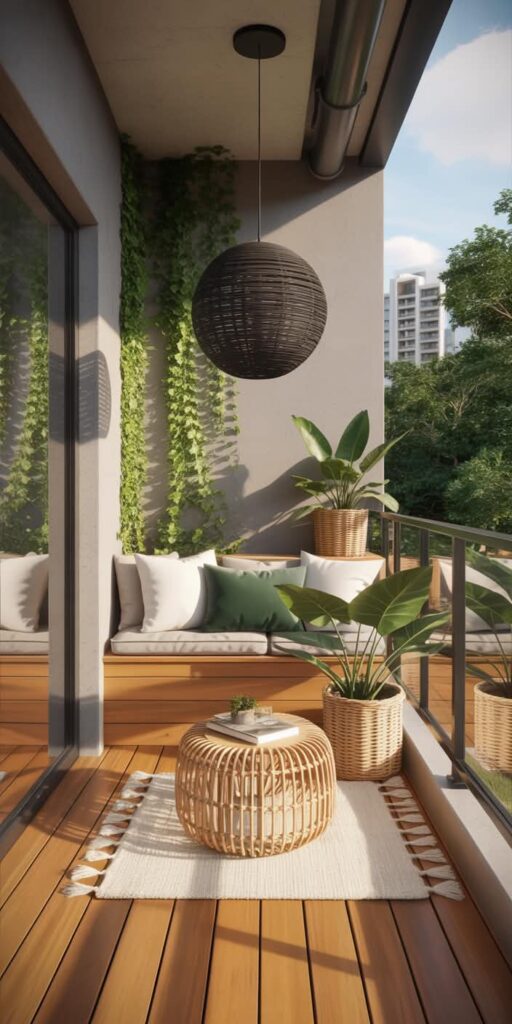
Why do small-apartment dwellers, busy city professionals, and “I-kill-every-plant” beginners fall head over heels for balcony gardens?
Because a simple strip of outdoor space—a ledge, a terrace, a tiny balcony—can quietly become the most powerful, mood-changing “room” they own.
Not the living room.
Not the bedroom.
The balcony.
Done right, a balcony garden isn’t just “a few pots outside.” It’s:
- Your morning coffee sanctuary
- Your after-work decompression zone
- Your tiny urban farm
- Your private slice of nature in the middle of concrete and traffic
Below is a version of the balcony gardening guide: same core tips, but turned into a “Why people love this” transformation story—plus practical steps so you can start building your own balcony oasis today.
Growing plants in a limited space like a balcony or terrace sounds tricky.
You might be thinking:
“I don’t have a yard.”
“I barely have room for a chair.”
“My balcony is windy / shady / baking hot.”
But here’s the quiet truth balcony gardeners know:
You don’t need a big space to create a big impact.
You just need a smart space.
A balcony garden is the ultimate “constraints into creativity” project. It forces you to think vertical, to curate every plant, and to transform every inch into something purposeful.
And that’s exactly why people get hooked.
Let’s walk through how to turn your balcony—no matter how small—into a lush, living extension of your home.
1. Maximize Your Space: Think Up, Not Just Out
Most people look at a balcony and see floor space. Gardeners look and see walls, railings, and overhead structures begging to be used.
If you’re working with limited square footage, here’s the mindset shift:
Your balcony is not a patch of floor.
It’s a 3D canvas.
Turn Your Balcony into a Vertical Garden
Start by using everything that isn’t the floor:
- Walls: Attach pots, shelves, or trellises. Even a simple wooden pallet turned upright becomes instant plant real estate.
- Ceiling or overhang: Install hooks for hanging baskets or trailing plants.
- Railings: Use railing planters, attach chicken wire for climbing vines, or hang lightweight containers over the edge (within building rules, of course).
You’ll be amazed how many plants you can grow when you stop thinking in 2D.
Make It an Extension of Your Indoor Space
Here’s where design psychology kicks in:
Match your plant colors and textures to your interior style.
- Love minimal, neutral interiors? Think silvery foliage, clean white pots, olive trees, structured grasses.
- More boho or eclectic? Layer trailing ivy, colorful blooms, woven baskets, and mixed materials.
When your balcony feels visually connected to your interior, your home feels bigger, more cohesive—and far more intentional.
2. Know Your Restrictions (So Your Garden Works With Your Space, Not Against It)
Before you buy a single plant, you need to know your playing field.
This is where most beginners skip ahead… and then wonder why half their plants give up in a month.
Check Building Rules & Weight Limits
If you live in an apartment or condo, check:
- What can be hung from walls or railings
- Whether rail planters are allowed
- Any rules about visible items from the street
Then there’s weight.
Big ceramic pots + wet soil + water weight add up quickly. If your balcony is attached to your home, make sure it can support what you plan to put on it. When in doubt, go lighter with plastic, fiberglass, or fabric grow bags.
Understand Your Microclimate
Your balcony has its own little weather system. Three things matter:
- Sunlight
- Full sun? Great for vegetables, herbs, and Mediterranean plants.
- Partial shade? Perfect for some herbs, ferns, and shade-loving flowers.
- Wind
High-up balconies can be windy. Wind dries soil faster, breaks stems, and knocks over tall pots.Use:
- Balcony privacy screens
- Windbreak panels
- Low, heavy pots near walls for fragile plants
- Heat & Shade
- Reflected heat from windows can scorch delicate foliage.
- Deep shade from tall buildings may limit what you can grow.
Work with your microclimate, not against it. Sun-lovers at the outer edges, shade-tolerant plants closer to walls or sheltered corners.
3. Watering a Balcony Garden Without Losing Your Mind
Here’s a balcony reality check:
Most balconies don’t have a tap.
Which means: water management is everything.
Smart Watering Strategies
To avoid endless trips with small watering cans:
- Get a large, lightweight watering can you can fill in the bathtub. Collapsible versions fold away when not in use.
- Use saucers or trays under pots to catch overflow and prevent waste.
- Invest in self-watering containers or systems (like pots with reservoirs). They dramatically cut down on frequency.
- If possible, use a lightweight, expandable hose with a sink adapter. It stretches when in use and shrinks down for storage.
And remember:
The hotter and windier it is, the more often you’ll need to water—sometimes twice a day.
If that sounds like too much work, choose plants that love neglect:
- Cacti
- Succulents
- Drought-tolerant Mediterranean herbs (like rosemary and thyme)
They thrive where fussier plants struggle.
4. What You Can Grow in a Balcony Garden (Hint: A Lot More Than You Think)
The short answer?
If it can grow in a container and matches your light conditions, it’s fair game.
Think of your balcony as a mini test plot. Here’s what balcony gardeners love growing:
Edible Balcony Stars
- Herbs: Basil, rosemary, thyme, mint, parsley, cilantro, tarragon
- Vegetables: Salad greens, cherry tomatoes, radishes, peppers, dwarf beans
- Small fruiting trees: Dwarf citrus, compact olive trees, even strawberries in hanging baskets
Ornamental Favorites
- Small shrubs in containers
- Container-friendly annuals and perennials (sun or shade varieties)
- Succulents for low-maintenance structure
- Tropical houseplants like philodendrons or spider plants in shaded or protected areas
- Climbing and flowering vines on trellises, railings, or wire—perfect for privacy and romance
If you have cold winters, choose some plants that can:
- Stay outside year-round
- Or come indoors to overwinter by a bright window
That way, you’re not starting from zero every spring.
5. Choose the Right Containers (So Your Garden Is Beautiful and Practical)
Anything that holds soil and has drainage holes can be a container. But small-space gardeners know: the type of container makes a huge difference in how enjoyable your garden is to maintain.
Smart Container Choices for Balconies
- Plastic & Fiberglass Pots
- Lightweight
- Come in many styles
- Easy to move
Great if you’re worried about weight or like to rearrange frequently.
- Fabric Grow Bags
- Light
- Foldable for off-season storage
- Often have handles
Perfect for veggies, herbs, and people who want flexibility.
- Hanging Baskets & Railing Planters
- Use airspace instead of floor space
- Ideal for trailing flowers, herbs, strawberries, and leafy houseplants
- Tiered Planters & Shelves
- Let you garden up instead of out
- Good for small balconies where every square inch matters
Your container choices shape the look and personality of your balcony just as much as your plant choices.
6. Balcony Garden Ideas That Make Your Space Unforgettable
Once you know your restrictions and tools, the fun starts. Here’s how balcony gardeners create those scroll-stopping spaces you see in photos.
Idea 1: The Vertical Herb & Veggie Wall
Use:
- A wood pallet turned upright
- Old bookshelves
- Tiered stands
Fill them with herbs, lettuces, compact tomatoes, or even edible flowers. It’s functional, beautiful, and smells amazing.
Idea 2: The Mixed “Mini Landscape”
Don’t limit yourself to one plant type.
Combine:
- A dwarf tree (like an olive or citrus) as a focal point
- A couple of small shrubs in containers
- Foliage plants for texture
- Bright annuals for color
This layered approach makes even the tiniest balcony feel like a real garden, not just a lineup of pots.
Idea 3: Cascading Railings & Climbing Vines
Let flowers and foliage spill over railings or climb up trellises:
- Use trailing plants and railing baskets
- Add sweet-smelling flowers for fragrance
- Train vines upwards for height and privacy
Symmetry and repetition (matching baskets, repeated colors) instantly make your balcony look more “designed.”
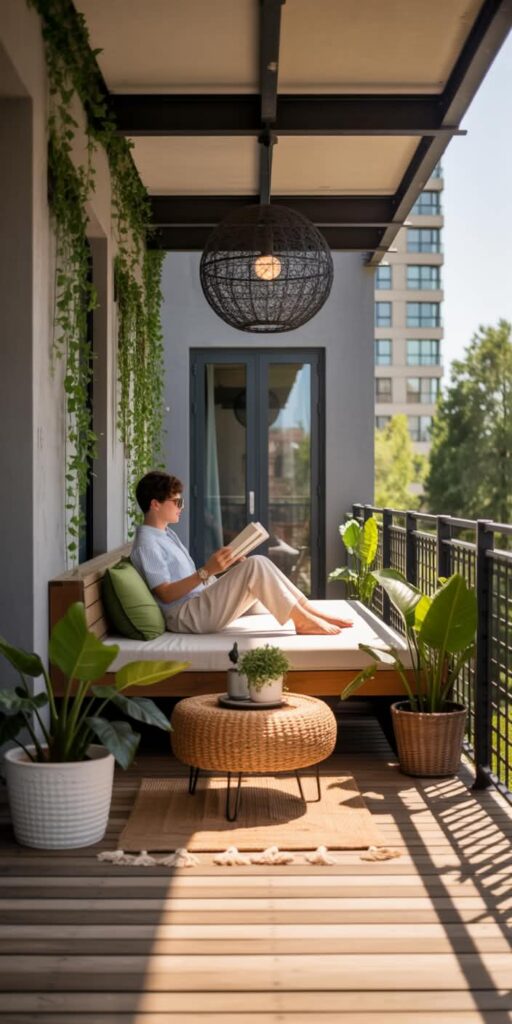
Idea 4: The Private Green Retreat
Turn exposed balconies into cozy, secluded oases:
- Use slatted walls or trellis panels
- Cover them with climbing plants or hanging pots
- Add a small chair, cushion, and lantern
The plants work double duty—beauty plus windbreak plus privacy screen.
7. Why Balcony Gardeners Keep Going: The Emotional Payoff
Once you start, something unexpected happens.
You don’t just “have plants.”
You:
- Check on new leaves in the morning
- Notice which herbs love that corner
- Watch a dwarf olive tree glow in evening light
- Step outside to water and end up breathing more deeply
Your balcony becomes a ritual.
A tiny, elevated patch of life that reminds you:
Even in a small space, you can create something beautiful, nurturing, and utterly your own.
And that’s why so many people in small apartments become quietly obsessed with balcony gardening.
Your Next Step
You don’t need a huge budget.
You don’t need a landscaper.
You don’t even need a lot of time.
You just need:
- A clear look at your space (sun, wind, weight).
- A decision on what you want most (herbs, flowers, veggies, privacy, or a mix).
- A few smart containers and your first plants.
Start with one railing box, one vertical structure, and one focal container.
From there, your balcony will tell you what it wants next.
And before you know it, that “tiny outdoor ledge” will be your favorite place in the entire home.